
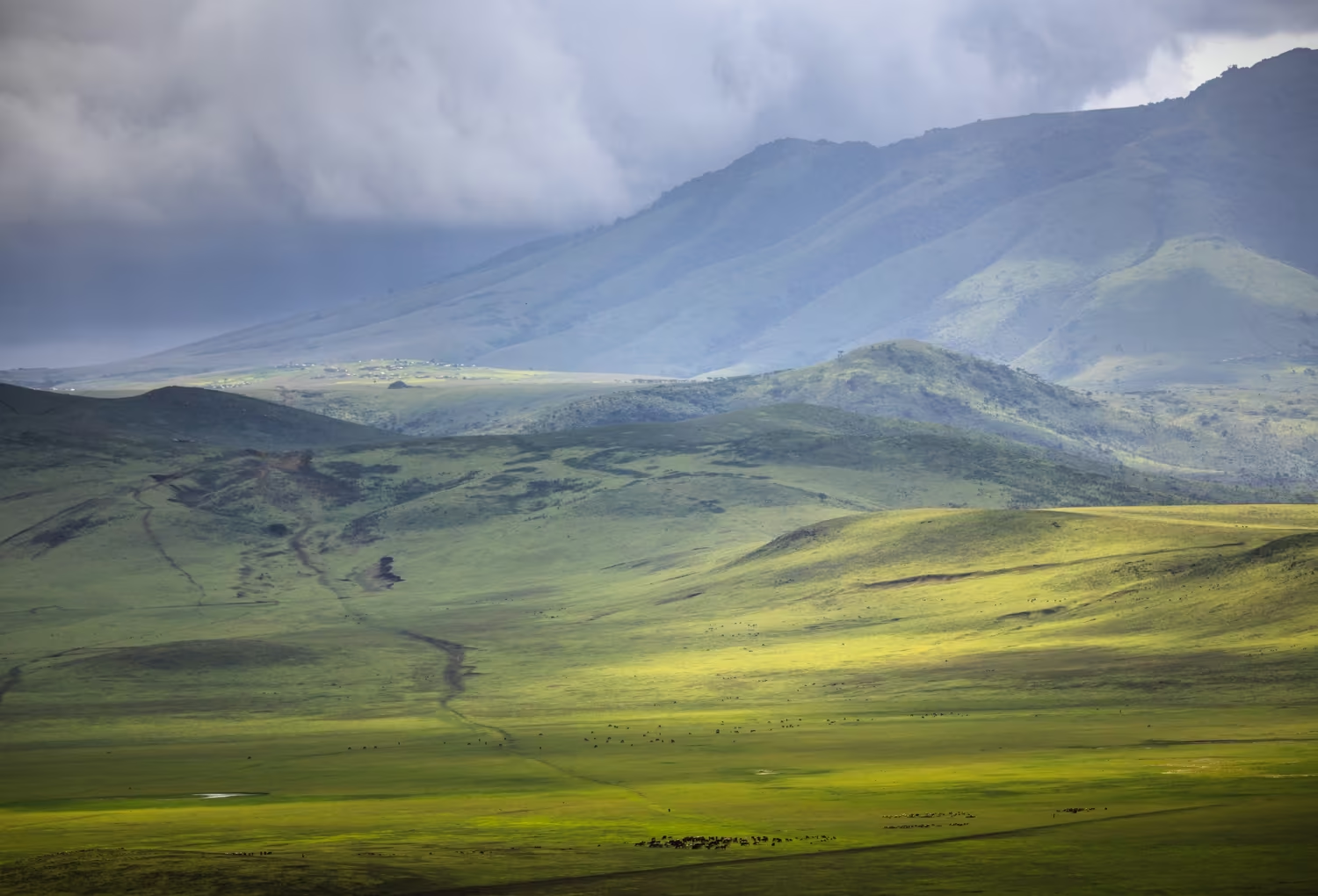
Tanzania is globally recognized as one of the leading destinations for wildlife conservation and sustainable tourism. The country protects some of the most iconic ecosystems in Africa, offering travelers a rare opportunity to experience nature in its most authentic form. Conservation in Tanzania is built on a strong foundation that integrates wildlife protection, environmental sustainability, and community involvement, making it a model for responsible tourism.
For visitors, understanding conservation in Tanzania adds depth to every safari experience. It transforms a simple wildlife viewing journey into a meaningful contribution toward preserving nature for future generations. By choosing Tanzania as your travel destination, you are directly supporting one of the most successful conservation frameworks in the world.
The history of conservation in Tanzania dates back to the early twentieth century when wildlife protection became a priority due to increasing human activities and hunting pressures. During the colonial period, the first game reserves were established to regulate hunting and preserve wildlife populations.
After independence, Tanzania strengthened its conservation policies and expanded protected areas significantly. The establishment of national parks and conservation areas marked a new era where the focus shifted toward long-term ecological sustainability and tourism development.
Key Historical Highlights
Today, Tanzania continues to build on this legacy by combining traditional knowledge with modern conservation strategies.
Conservation plays a critical role in maintaining Tanzania’s natural heritage and supporting its economy. The country is home to vast biodiversity, including large populations of elephants, lions, giraffes, and endangered species.
Why Conservation Matters
Without strong conservation efforts, these ecosystems would face serious threats from human expansion, climate change, and illegal activities.
Tanzania has one of the largest networks of protected areas in Africa. These include national parks, conservation areas, marine parks, and game reserves. Together, they cover a significant portion of the country’s land.
Major Types of Protected Areas
Key Features of Protected Areas
These protected areas ensure that Tanzania remains one of the best safari destinations in Africa while maintaining ecological integrity.
Tanzania is home to some of the largest wildlife populations on the continent. Conservation efforts are focused on protecting these species and their habitats through various strategies.
Key Wildlife Conservation Initiatives
Major Conservation Successes
These efforts have helped Tanzania maintain its reputation as a world class wildlife destination.
One of the most unique aspects of conservation in Tanzania is the involvement of local communities. Conservation is not only about protecting wildlife but also about improving the lives of people living near protected areas.
Role of Local Communities
Benefits to Communities
Community based conservation ensures long term success by creating a balance between human needs and environmental protection.
Despite its success, conservation in Tanzania faces several challenges that require continuous effort and innovation.
Key Challenges
Addressing these challenges requires collaboration between the government, private sector, local communities, and international partners.
Tourism is one of the main pillars supporting conservation in Tanzania. Responsible tourism practices ensure that natural resources are protected while generating income for conservation efforts.
Principles of Sustainable Tourism
How Tourists Can Contribute
By practicing sustainable tourism, visitors play a direct role in protecting Tanzania’s natural environment.
The future of conservation in Tanzania depends on continued commitment and innovation. With increasing global awareness of environmental issues, Tanzania is well positioned to lead in sustainable conservation practices.
Future Focus Areas
These efforts will ensure that Tanzania’s wildlife and ecosystems remain protected for generations to come.
When you visit Tanzania, you are not just observing wildlife; you are becoming part of a larger conservation story. Every safari contributes to the protection of ecosystems and supports the livelihoods of local communities.
At Sundown Expeditions, we are committed to providing responsible and sustainable travel experiences that align with conservation principles. Our safaris are designed to minimize environmental impact while maximizing your connection with nature.
Conservation in Tanzania is a powerful example of how wildlife protection, community development, and tourism can work together successfully. The country’s commitment to preserving its natural heritage ensures that visitors can continue to experience its beauty in a sustainable way.
By choosing Tanzania and traveling responsibly, you are helping to protect one of the most extraordinary ecosystems on Earth. Conservation is not just a responsibility; it is an opportunity to make a lasting impact while enjoying an unforgettable safari experience.